
Top Choices For Concrete Installation Equipment To Maximize Results
Identify the most trusted products that help achieve high-quality finishes and durable concrete structures.
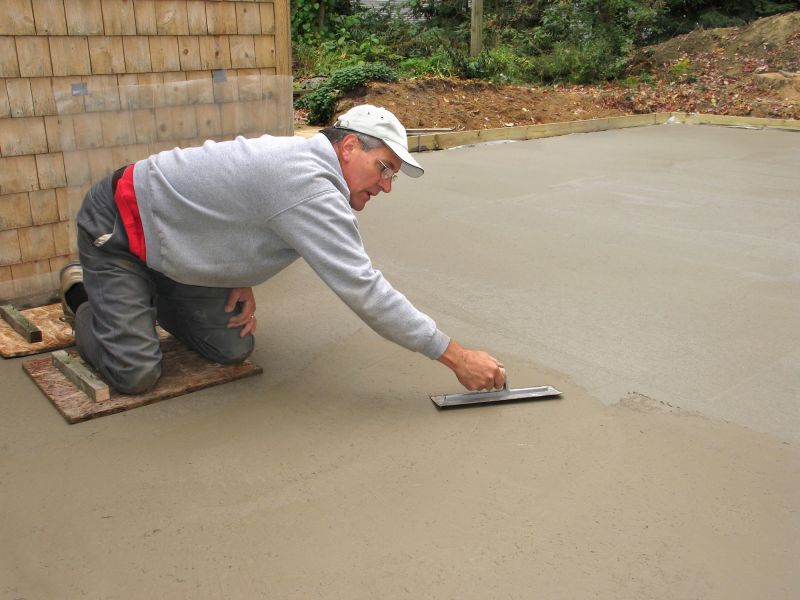 Concrete installations are fundamental to a wide range of construction and renovation projects, from driveways and patios to foundations and walkways. Selecting the right products ensures durability, safety, and a professional finish. Whether you're a DIY enthusiast or a professional contractor, understanding the available options helps in making informed decisions for your concrete projects. Quality tools and materials can significantly influence the longevity and appearance of your concrete structures, making it essential to choose products suited to your specific application needs.
Top Overall Option
Concrete Form Release Agent
A high-quality concrete form release agent is essential for creating clean, smooth concrete surfaces and facilitating easy removal of forms. It helps prevent sticking and reduces surface imperfections, contributing to a professional finish. Suitable for various form materials, this product enhances workflow efficiency and surface quality, making it a versatile choice for many concrete projects.
Types of Products For Concrete Installations
Reinforcing Steel Bars
Rebar and wire mesh provide structural reinforcement to concrete, helping to resist tensile stresses and prevent cracking.
Form Release Agents
Products designed to prevent concrete from sticking to molds, ensuring clean removal and surface quality.
Concrete Curing Compounds
Chemical coatings that retain moisture in concrete, promoting proper curing and strength development.
Surface Finishing Tools
Tools such as trowels and floats used to smooth and texture concrete surfaces for aesthetic and functional purposes.
Sealants and Coatings
Protective layers applied to concrete surfaces to enhance durability and resist stains or weathering.
Concrete Mixers
Equipment used to mix concrete thoroughly, ensuring uniform consistency for pouring and setting.
Vibration Equipment
Tools used to eliminate air pockets and ensure proper compaction of concrete during placement.
Formwork Materials
Plywood, plastic, or metal panels used to shape and support concrete until it hardens.
Expansion Joints
Materials that allow for controlled movement in concrete slabs, reducing cracking due to temperature changes.
Concrete Edging Tools
Tools designed to create clean, defined edges on concrete slabs and surfaces.
Bonding Agents
Adhesives that improve the bond between existing concrete and new overlays or repairs.
Surface Texturing Tools
Tools used to create decorative or slip-resistant textures on concrete surfaces.
Concrete Patching Materials
Products formulated for repairing cracks, holes, or surface damage in concrete structures.
Waterproofing Membranes
Layers applied to concrete to prevent water ingress and protect against moisture-related damage.
Concrete Anchors and Fasteners
Hardware used to secure fixtures or structures to concrete surfaces.
Popular Choices
Pre-mixed concrete formulations suitable for a variety of applications, offering convenience and consistency.
Reinforcing mesh provides added strength for slabs, foundations, and other structural elements.
Protective coatings that help extend the lifespan of concrete surfaces against stains and weathering.
Essential tools for finishing concrete surfaces smoothly and achieving desired textures.
A popular choice for ensuring easy removal of forms and a clean surface finish.
Materials used to cover freshly poured concrete, maintaining moisture during curing.
Commonly used to accommodate movement in concrete slabs and prevent cracking.
Tools that help remove air pockets and ensure thorough compaction during pouring.
Popular for creating clean, defined edges on slabs and walkways.
Applied to protect concrete structures from water damage and moisture ingress.
Used for repairing surface imperfections and cracks in existing concrete.
Enhance adhesion between old and new concrete surfaces for repairs and overlays.
In concrete installation, the use of proper preparation products, such as form release agents and curing compounds, can facilitate smoother workflows and better results. Reinforcement materials like rebar and wire mesh provide structural integrity, while surface finishing tools help achieve the desired texture and appearance. For sealing and protection, choosing appropriate sealants and coatings can extend the lifespan of your concrete surfaces. Considering the scope of your project and the environmental conditions will guide you toward selecting the most suitable products.
Thorough research and understanding of product specifications are key to successful concrete installations. Properly selected materials not only improve the quality of the finished work but also help prevent common issues such as cracking, scaling, or surface deterioration. By investing in reliable, high-quality products tailored to your project requirements, you can achieve results that are both functional and aesthetically pleasing. Remember to always follow manufacturer instructions and safety guidelines when working with concrete products to ensure optimal outcomes.
Key Buying Considerations
- Compatibility with specific concrete projects and application methods.
- Durability and resistance to environmental factors such as moisture, temperature, and wear.
- Ease of application and handling, especially for DIY projects.
- Compatibility with other materials used in the installation, such as reinforcement or formwork.
- Curing time and how it affects project timelines.
- Surface finish requirements, including texture and smoothness.
- Product safety and manufacturer safety data sheets.
- Long-term performance and maintenance needs of the product.
- Availability of technical support or customer service.
- Cost-effectiveness relative to project scope and quality expectations.
- Environmental conditions in the installation area that may influence product choice.
- Ease of removal or adjustment if needed during installation.
- Brand reputation and user reviews for reliability and performance.
- Compliance with local building codes and standards.
- Storage and shelf life of products, especially for large or ongoing projects.